


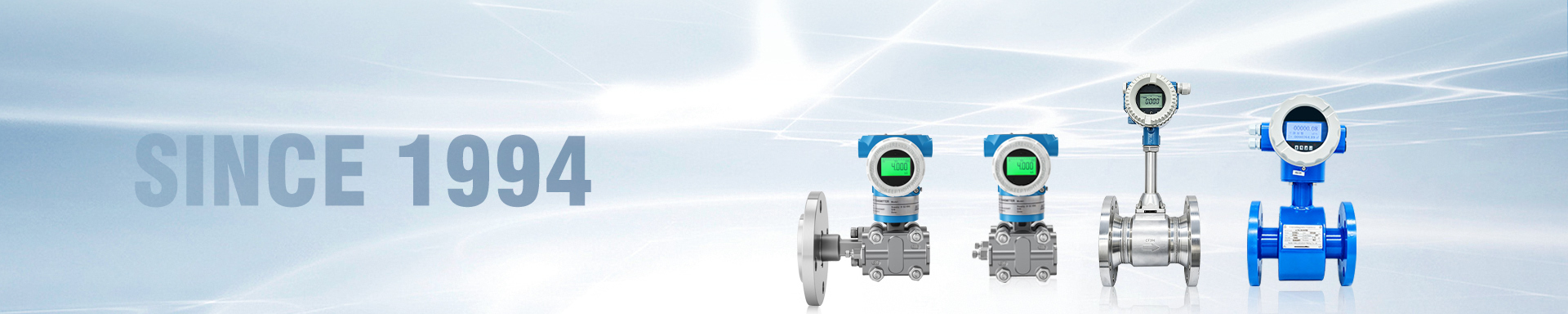
Want to understand the key points of electromagnetic flowmeter selection, installation and use in one article?
2025-12-29 14:40Want to understand the key points of electromagnetic flowmeter selection, installation and use in one article?
Selection is a very important task in the application of Sewage Flow Meter. Data shows that two-thirds of the faults in actual applications are caused by incorrect selection or installation of magnetic type flow meter. This article will share the precautions for selection, installation and use of inline electromagnetic flow meter with you. one
Selection of Sea Water Flow Meter
The selection of instruments is always based on understanding the principle of the instrument and the working conditions. The selection of industrial water flow meter is no exception. The selection of electromagnetic flowmeters requires clarification of the following parameters:
① Parameters of the measured medium
◆ Composition of the measured fluid;
◆ Maximum flow rate, minimum flow rate;
◆ Maximum working pressure;
◆ Maximum temperature, minimum temperature;
② The measured medium must have a certain degree of conductivity, with a conductivity greater than 5 μs/cm.
③ The actual maximum working pressure must be less than the rated working pressure of the electromagnetic flowmeter.
④ The maximum working temperature and minimum working temperature must meet the temperature requirements specified for the electromagnetic flowmeter.
⑤ Determine whether there is a negative pressure situation. two
Engineering Application Cases of Electromagnetic Flowmeters
This article takes the flow measurement of clean water using electromagnetic flowmeters as an example to introduce the key points for selecting electromagnetic flowmeters:
◆ Pressure: Clearly define the working pressure of the measured medium. When the working pressure exceeds 1.6 MPa, customization is required.
◆ Generally, flange installation is chosen, with neoprene rubber lining and stainless steel 316L electrodes.
◆ Maximum operating temperature: Based on the temperature of the static clean water being measured plus the temperature rise during flow. For instance, if the static temperature of the measured medium is 65°C and the flow rate is 3 m/s, it is recommended that the user select a maximum operating temperature of ≤ 120°C.
◆ Grounding rings are usually not necessary.
◆ Select IP65 integral type, 4-20mA or frequency output signal, and AC 220V working power supply.
III
Installation Requirements for Electromagnetic Flowmeters
① Flow Direction
Most electromagnetic flowmeters can be set to automatically detect the forward and reverse flow directions. The flow direction arrow on the sensor housing indicates the positive flow direction as defined by the manufacturer. Generally, when installing an electromagnetic flowmeter, the user should ensure that the flow direction arrow is consistent with the process flow direction on site.
② Installation Direction of Electromagnetic Flowmeters and Electrode Positioning
The sensor can be installed horizontally or vertically. When installed horizontally, the electrodes should be in a horizontal position. This way, if the medium contains bubbles or sediment, the bubbles will not adhere near the electrodes, causing an open circuit at the signal end of the converter, and the sediment will not cover the electrodes, resulting in zero drift, etc.
③ The liquid should always fill the pipeline.
◆ The pipeline structure should ensure that the electromagnetic flowmeter's measuring tube is always filled with liquid.
◆ For liquids or slurries containing solid particles, it is recommended to install the electromagnetic flowmeter vertically. This can prevent the separation of the measured medium and make the wear of the sensor lining more uniform. Impurities will not settle at the bottom of the measuring tube.
◆ The flow direction must be from bottom to top to ensure that the measuring tube is always filled with the medium.
④ Electromagnetic flowmeters should not be installed on the suction side of a pump.
For long pipelines, control valves are generally installed downstream of the electromagnetic flowmeter.
For pipes with open discharges, the electromagnetic flowmeter should be installed at the bottom (the lower part of the pipe).
Where the pipe drop exceeds 5 meters, an air valve should be installed downstream of the electromagnetic flowmeter.
⑧ Avoid measurement errors caused by entrained gases and damage to the liner due to vacuum.
⑨ There should be no air bubbles in the pipeline. The pipeline design should ensure that no gas separates from the liquid. The electromagnetic flowmeter should be installed upstream of the valve. Because the valve reduces the pressure in the pipeline, air bubbles may form. The electromagnetic flowmeter should also be installed at the lower section of the pipeline to minimize the impact of entrained air bubbles on the measurement.
⑩ Liquid conductivity
Do not install the electromagnetic flowmeter in areas where the liquid conductivity is extremely uneven. Chemical injection upstream of the electromagnetic flowmeter can cause uneven liquid conductivity, which can seriously interfere with the flow indication of the electromagnetic flowmeter. In such cases, it is recommended to inject chemicals downstream of the electromagnetic flowmeter. If chemicals must be injected upstream of the electromagnetic flowmeter, ensure that there is at least a 30D straight pipe section upstream to allow for thorough mixing of the liquid.
⑪ Grounding
Because the induced signal voltage of the electromagnetic flowmeter is very small, it is susceptible to external noise or other electromagnetic signals. Therefore, the electromagnetic flowmeter needs to be grounded in many situations. The purpose is to form a shielded internal space through the grounding of the flowmeter housing, thereby improving measurement accuracy.
⑫ On-site installation
Connect the flange on the sensor to the flange on the pipeline using bolts. Tighten the bolts and nuts of the instrument, ensuring that the threads are intact and well-lubricated. Use flat washers and spring washers in conjunction. Use a torque wrench to tighten the bolts according to the flange size and torque requirements. Regularly tighten the bolts during daily use to prevent loosening.
Four
Precautions for the Use of Electromagnetic Flowmeters
① Installation location of the electromagnetic flowmeter
- The electromagnetic flowmeter should be installed in a dry and well-ventilated area, and it is usually advisable to avoid installing it in areas prone to water accumulation.
- The electromagnetic flowmeter should be protected from direct sunlight and rain. When installed outdoors, there should be facilities to shield from rain and sun. The ambient temperature should be between -20°C and +60°C.
- The electromagnetic flowmeter should be avoided from being installed in areas with significant temperature fluctuations or exposed to high-temperature radiation from equipment. If installation is necessary, measures for heat insulation and ventilation should be taken.
- The electromagnetic flowmeter should be avoided from being installed in environments with corrosive gases. If installation is necessary, measures for ventilation and corrosion prevention should be taken.
- The installation location of the electromagnetic flowmeter should avoid strong vibrations. If the pipeline vibrates significantly, supports should be installed on both sides of the electromagnetic flowmeter to fix the pipeline.
- The sensor part of the electromagnetic flowmeter with IP68 (submersible up to 3 meters) protection level can be placed in water; the electromagnetic flowmeter with IP65 protection level should not be submerged in water.
② Avoid magnetic field interference
The electromagnetic flowmeter should not be installed near electric motors, transformers, or other power sources that may cause electromagnetic interference. The electromagnetic flowmeter should not be installed near frequency converters or powered from frequency converter distribution cabinets to avoid interference.
③ Straight pipe section length
To ensure the measurement accuracy of the flowmeter, it is recommended that the upstream straight pipe section length be at least 5 times the pipe diameter (5D), and the downstream straight pipe section length be at least 3 times the pipe diameter (3D).
④ Maintenance Space
To facilitate installation, maintenance and servicing, there should be sufficient installation space around the electromagnetic flowmeter.
⑤ For pipelines where flow interruption is not allowed in the process
When installing the electromagnetic flowmeter, a bypass pipe and a cleaning port should be added, as shown in the figure. This device can ensure the continuous operation of the equipment system when the flowmeter is out of service.
⑥Support for Electromagnetic Flowmeters
Do not install the electromagnetic flowmeter on a freely vibrating pipe in isolation. Instead, use an installation base to fix the measuring tube. When the electromagnetic flowmeter needs to be installed underground, support structures should be set up at both the inlet and outlet ends of the pipe, and a metal protective plate should be installed above the flowmeter.