


How to scientifically divide explosion-proof areas? - Core measurement equipment adaptation solutions from Auto Instruments
2025-12-29 13:46How to scientifically divide explosion-proof areas? - Core measurement equipment adaptation solutions from Auto Instruments
In industries such as petrochemicals, coal mining, dust processing, fine chemicals, and storage and transportation logistics, explosive environments can always occur. To achieve safe production, it is necessary to identify risks from the source, and the division of explosion-proof areas, as a pre-requisite for safety production, is the foundation for all explosion-proof designs, equipment selection, ventilation system layout, and operation management.
Through scientific area division, the boundaries and levels of dangerous environments can be clearly defined, making engineering measures targeted and reducing the probability of ignition sources, thereby minimizing accident risks.
Auto Instruments has been deeply involved in the field of industrial automation measurement and has systematically sorted out the principles, standard systems, classification rules for gas and dust environments, and influencing factors of explosion-proof area division. Combined with its core product - Auto pressure transmitters, it analyzes their advantages and application points in different explosion-proof conditions, providing professional support for enterprises to achieve safe and efficient production.
I. Principles of explosion-proof area division
1. Three elements of explosion
In industrial scenarios, the simultaneous presence of combustible materials, oxidizers, and ignition sources is the basic condition for an explosion.
The three elements of explosion include combustible materials (such as natural gas, gasoline vapor, coal dust, metal dust), oxidizers (usually air, with oxygen content being the key to explosion expansion), and ignition sources (electric sparks, mechanical friction sparks, static electricity, high-temperature surfaces, etc.).
When all three exist in the right proportions, the conditions for an explosion are met. The division of explosion-proof areas essentially assesses the probability of the "simultaneous presence of the three elements" in a certain area, with the frequency and duration of occurrence as the main basis. The longer and more frequent the occurrence, the higher the danger level, and areas are managed according to risk levels.
2. Release sources
These are parts that may release combustible substances, such as pump seals, valves, flanges, breather valves, and dust conveying equipment joints.
They are classified based on the frequency and duration of release into:
Continuous release sources: Long-term existence (such as the gas phase area inside a tank)
First-level release sources: Possible leakage during normal operation (such as pump seals)
Second-level release sources: Only short-term leakage during abnormal conditions (such as occasional flange leakage)
The higher the release source level, the higher the danger level of the area.
3. Ventilation conditions
This refers to the ability of air to dilute combustible substances to a safe concentration below the explosion limit, which is an important factor affecting whether a dangerous environment can persist. It includes natural ventilation (air flow changes) and mechanical ventilation (fan exhaust).
When good ventilation can stably maintain the combustible concentration below the lower explosion limit (such as methane LEL ≈ 5%), the danger of the area can be significantly reduced.
4. Technical and economic balance principle
Area division must balance safety and economy. Dividing too narrowly may overlook risks, while dividing too broadly can lead to excessively high equipment selection costs. A reasonable approach is to conduct a comprehensive assessment based on the nature of combustible materials, release probability, spatial structure, and operational experience, ensuring that the division complies with regulations and is convenient for engineering implementation.
II. Area division for gas and vapor environments
In China, the Zone (area) division method is mainly used, such as Zone 0, Zone 1, and Zone 2.
1. Zone 0: Continuously dangerous area
Indicates that flammable gas or vapor is present for a long time or frequently, with a duration exceeding 1,000 hours per year. Commonly found in the interiors of storage tanks, gas phase spaces of reactors, and inside tunnels and other enclosed environments.
Equipment must use the highest level of intrinsically safe type (Ex ia), which limits energy (current, voltage) to ensure that no ignition energy is generated by any fault.
2. Zone 1: Occasionally dangerous area
Flammable gas clouds may occur during normal operation, often related to process fluctuations and equipment operation leaks. For example, pump rooms (where the sealing surface may leak), valve concentration areas (where operational leakage may occur), and the surroundings of fuel dispensers (where gasoline vapor can easily spread) are all such areas. Equipment of flameproof type (Ex d), increased safety type (Ex e), or intrinsically safe type (Ex ib) can be used.
Flameproof type (Ex d) means that the equipment housing can withstand internal explosion pressure and prevent flame leakage. Increased safety type (Ex e) enhances safety by reducing arcs and lowering temperatures. Flameproof equipment resists internal explosions by strengthening the housing and preventing flame leakage. It is commonly used in Zone 1 as a method of explosion protection.
3. Zone 2: Occasional Hazardous Area
Explosive mixtures only occur briefly in abnormal or leakage situations, such as the periphery of tank areas and well-ventilated experimental adjustment zones.
Equipment of non-sparking type (Ex n) can be used, which does not produce arcs or high temperatures under normal operation.
4. Gas Diffusion Characteristics and Area Scope
The relative density (relative to air density) of the gas affects its diffusion direction:
Heavier than air (density > 1): such as propane and butane, which tend to accumulate at low levels.
Lighter than air (density < 1): such as hydrogen and methane, which tend to float upwards.
The height of the area is usually set according to the above rules. Volatile media may have a larger diffusion range, which needs to be evaluated based on physical property data. The diffusion pattern is closely related to wind speed and obstacles.
Heavier than air → Area height is approximately 1 m above the ground
Lighter than air → The area below the ceiling by 1 to 2 m is considered a risk zone
High flash point liquids → Low gas vaporization, the area range can be reduced
III. Area Division for Dust Environments
Dust explosions differ from gas explosions, with the key being the formation of explosive dust clouds (suspended dust). The smaller the dust particle size and the drier the dust, the more likely it is to form an explosive dust cloud.
1. Zone 20: Continuous Dust Cloud Area
Dust remains in a long-term suspended state. Commonly found inside flour mills, coal powder silos, and metal powder mixing chambers, dust explosions have a "secondary explosion risk", meaning that the initial explosion can stir up settled dust and cause a larger secondary explosion. Therefore, the highest level of protection is required.
2. Zone 21: Occasional Dust Cloud Area
Dust may become suspended during operation, such as at loading and unloading points and transfer points, where suspended clouds may form. Generally, dust explosion-proof electrical equipment (Ex tD) is required, and surface temperature rise must be controlled to prevent dust ignition.
3. Zone 22: Rare Dust Cloud Area
Dust mostly exists in a settled state and only briefly becomes suspended to form a dust cloud when disturbed or in the event of a fault, commonly found in dead corners of factories, outside dust removal equipment, storage areas, and corner platforms.
The particle size, humidity, and composition of dust significantly affect the explosion risk. Smaller particle size and drier conditions are more dangerous.
Dust areas are often divided using the "release source distance method", which is the most practical approach in engineering sites.
IV. Standard System
International General Standards
The IEC 60079 series of standards are the globally recognized basic standards for explosive environments.
IEC 60079-10-1: Division of explosive gas environments
IEC 60079-10-2: Division of explosive dust environments
EU ATEX: Mandatory requirements in the EU, covering equipment (ATEX 114) and site management (ATEX 153)
NFPA/NEC (USA): Uses the Class/Division classification method
Although the terms are different, the core logic is the same - all distinguish risk levels based on the frequency and duration of the appearance of hazardous substances.
V. Factors Affecting Area Division Results
1. Properties of Combustible Materials
Flash Point: The lowest temperature at which a liquid can produce flammable vapor when heated. The lower the flash point, the stronger the volatility and the greater the explosion risk.
Lower explosive limit (LEL): Below this value, the gas concentration cannot explode. For example, methane is about 5%. The lower the LEL, the easier it is to form an explosive mixture.
The particle size, humidity and composition of dust determine its explosiveness. For example, aluminum powder and magnesium powder are highly sensitive dust.
2. Release source parameters
Leakage rate, pressure, temperature, etc. determine the amount of combustible material released.
The higher the release rate, the easier it is to form a flammable mixture in a short time.
However, high-speed jetting may also enhance the dilution effect due to turbulent mixing, which requires specific analysis. Catastrophic leakage is usually used for emergency plan assessment.
3. Ventilation conditions
The ventilation volume determines whether flammable gases or dust clouds can accumulate to dangerous concentrations and is the most common factor causing changes in area classification.
Natural ventilation is greatly affected by climate, terrain and wind speed; mechanical ventilation can continuously control the concentration, but it is necessary to ensure that faults do not lead to risk escalation (such as fan failure alarm measures).
4. Space structure
Closed spaces are prone to accumulation, while open spaces are prone to diffusion; obstacles (such as pipe racks, walls) may form gas retention areas, increasing local risks. The rationality of the structural layout directly affects the shape of the hazardous area.
VI.
Auto gauge pressure transmitter: The Precise "Pressure Sentinel" for High-Temperature and High-Pressure Environments
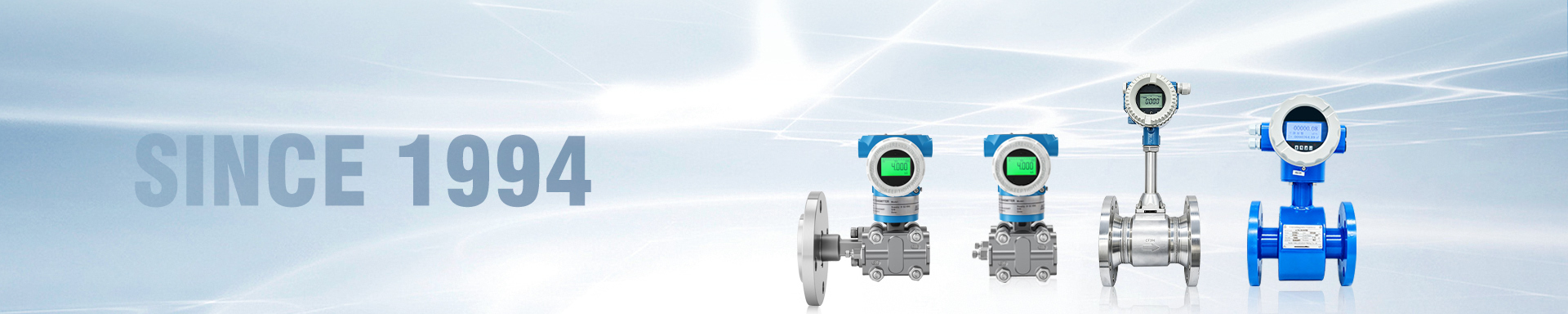
capacitance type pressure transmitter are the core equipment for industrial pressure monitoring, converting pressure signals into standard electrical signals for output, providing real-time data support for process control and safety warnings. In high-temperature and high-pressure conditions in explosion-proof areas, traditional smart pressure transmitter are prone to problems such as diaphragm deformation and signal drift. However, Auto pressure transmitter HART, with their customized design, perfectly meet the strict requirements.
1. Breakthroughs in Temperature and Pressure Tolerance
Wide Temperature Range Adaptation: Traditional pressure transmitters typically have a working temperature range of -20 to 150°C, and their sensor components tend to age and fail under high-temperature conditions. Auto EX pressure transmitter use high-temperature ceramic capacitive sensors and are equipped with special heat dissipation housing designs, allowing the core components to withstand temperatures ranging from -40 to 200°C, with some customized models extending to 300°C. They incorporate multi-stage temperature compensation algorithms, maintaining measurement accuracy within ±0.1%FS across the entire temperature range, eliminating measurement errors caused by temperature drift.
High-Pressure Tolerance and Sealing Protection: In high-pressure conditions, the diaphragm and sealing structure of the transmitter are key to risk resistance. Auto pressure transmitters use Hastelloy C-276 diaphragms, capable of withstanding up to 100MPa of ultra-high pressure, meeting the measurement requirements of high-pressure reactors, oil and gas wells, and other scenarios. The sealing structure uses laser welding technology and is paired with fluororubber sealing rings, achieving an IP67 protection level and passing Ex d explosion-proof certification, allowing direct use in Zone 1 gas hazardous areas and eliminating safety risks caused by sealing failure.
2. Interference Resistance in Complex Media
In explosion-proof scenarios with strong corrosive and high-viscosity media (such as strong acids and heavy oil), the transmitter probe is prone to corrosion and blockage, affecting measurement stability. Auto pressure transmitters offer options for PTFE and PFA anti-corrosion linings, and for high-viscosity media, they adopt a flat diaphragm structure design to reduce media adhesion and blockage. They also incorporate intelligent signal filtering algorithms to effectively resist electromagnetic and vibration interference in industrial environments, ensuring stable signal output.
VII. Conclusion
The division of explosion-proof zones is the starting point of explosive environment management and the fundamental framework for equipment selection, process layout, ventilation design, and operational safety. Only by understanding the properties of combustible materials, their release patterns, diffusion behaviors, and equipment characteristics can the zoning results be matched with actual devices, forming an effective risk control system.
Auto pressure transmitters, with their outstanding explosion-proof performance, wide temperature and pressure tolerance range, precise measurement capabilities, and technical advantages in adapting to complex media, have become a reliable choice for explosion-proof zones in high-risk industries such as petrochemicals and coal mining.