



Detailed Analysis of Differences Between Explosion‑Hazardous Zones and Non‑Explosion‑Hazardous Zones Introduction
2026-08-10 10:13Detailed Analysis of Differences Between Explosion‑Hazardous Zones and Non‑Explosion‑Hazardous Zones
Introduction
Based on the type‑selection requirements for high‑temperature pressure transmitters, and drawing from on‑site commissioning and safety‑inspection experience in chemical, petrochemical and energy‑engineering projects, this article makes a systematic distinction between explosive hazardous areas and non‑hazardous zones. It sorts out zone‑classification criteria, instrument‑and‑equipment requirements and on‑site management essentials. It also addresses common difficulties in zone demarcation, the selection of steam pressure transmitters and industrial pressure transmitters, and safety‑supervision‑related inspections.
The primary goal of separating explosion‑hazardous zones from non‑explosion‑hazardous zones is to stop combustible gas, vapour and dust from mixing with air and forming explosive atmospheres.

Simple‑to‑understand field‑level explanation:
Explosion‑hazardous zone: Management centers on eliminating ignition sources generated by instruments and electrical devices. All industrial pressure transmitters and steam pressure transmitters installed in this zone shall be fitted with suitable explosion‑proof constructions. High‑temperature pressure transmitters, HART pressure transmitters and absolute‑pressure transmitters shall be selected to match the hazard classification of the site.
Non‑explosion‑hazardous zone: Management focuses on blocking the ingress of combustible substances. A safe operating environment is maintained via safety clearances, mechanical ventilation, positive‑pressure shielding and sealed closures. Ordinary transmitters without explosion‑proof certification are permitted for use.
1. Locate All Substance Release Sources
Zone classification cannot rely on basic labels such as pump areas or tank farms. Every potential leakage point needs to be identified one‑by‑one; these are also the key installation spots for high‑temperature pressure transmitters.
For centrifugal pumps, inspect mechanical seals, drain‑vent ports, root valves for pressure gauges, connection ports for industrial pressure transmitters, and flanges at equipment inlets and outlets.
For storage tanks, examine breathing valves, pressure‑tapping ports for liquid‑level detection, drain outlets and material loading‑unloading joints. Liquid‑level monitoring systems are commonly equipped with steam pressure transmitters for data acquisition.
For reaction kettles, check feed openings, sampling nozzles, vent pipelines and agitator‑shaft seals. All high‑temperature pressure transmitters mounted on process pipelines must satisfy explosion‑proof specifications.
Leak‑risks differ across positions on a single device. Mechanical seals tend to leak from long‑term vibration; flange leakage is triggered by gaskets, pipeline stress and thermal deformation; sampling points release media frequently during operation; the spread of discharged liquid depends on the layout of downstream recovery pipelines.
Leakage points must be clearly marked on zone‑layout drawings. Vague markers such as “tank area” or “pump zone” will hinder the selection of suitable explosion‑proof instruments when you replace steam pressure transmitters, rectify hidden dangers or undergo official safety inspections.
2. Zone Classification Depends on the Occurrence Frequency of Hazardous Media
Gas‑based explosive zones are graded as Zone 0, Zone 1 and Zone 2
Zone 0: The inner cavity of storage tanks and reaction vessels, where explosive gas exists continuously. High‑temperature pressure transmitters are the preferred field instruments.
Zone 1: Areas surrounding sampling ports and loading‑unloading connections where combustible gas mixtures form intermittently. Flame‑proof HART pressure transmitters are suitable for deployment.
Zone 2: Vicinity of flanges, valve stems and instrument joints where combustible substances only leak briefly. Standard absolute‑pressure transmitters and industrial pressure transmitters meet working requirements.
Dust‑explosion hazardous zones are divided into Zone 20, Zone 21 and Zone 22, following identical judging principles as gas‑risk zones.
Hazard‑gas diffusion ranges cannot be judged by experience alone. Comprehensive calculations shall account for medium volatility, process temperature and pressure, leakage jet direction, ventilation, cofferdams and underground trenches. High‑temperature‑high‑pressure liquefied‑hydrocarbon leaks cover wider spreading areas, so all supporting steam pressure transmitters along pipelines need upgraded explosion‑proof configurations.
3. Gas Diffusion Operates in Three‑Dimensional Space; Do Not Rely Solely on 2D Drawings
Low‑density gases such as hydrogen and methane rise and accumulate in upper‑level spaces. HART pressure transmitters and high‑temperature pressure transmitters mounted on ceilings and elevated platforms shall comply with stricter hazard‑grade standards.
Heavy‑weight gases including liquefied petroleum gas spread close to the ground. Industrial pressure transmitters fitted to underground pipelines cannot have their explosion‑proof rating lowered.
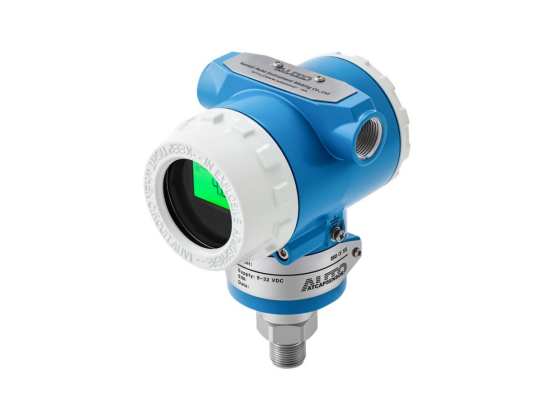
New‑installed rain shelters and densely‑arranged equipment will alter air circulation. Boundaries of the original hazardous zones require re‑evaluation, and matching absolute‑pressure transmitters shall be replaced accordingly.
Without airtight partitions at trench wall‑penetration points, combustible gas can travel long distances indoors. Ordinary non‑explosion‑proof industrial pressure transmitters inside buildings will become severe ignition hazards.
4. Safety of Non‑Explosion‑Hazardous Zones Rely on Long‑Term Protective Measures
Ordinary instruments can be adopted in power‑distribution rooms, instrument cabinet rooms and analyzer shelters without high‑temperature pressure transmitters. However, the complete set of safety‑protection settings must stay functional at all times:
Fixed safe separation distance from medium‑leakage points, pollution‑free fresh‑air intake, qualified indoor positive‑pressure value, self‑closing doors, fully‑sealed pipeline wall‑penetration holes, segmented underground trenches and functional low‑pressure interlock alarms.
An activated fan indicator light does not guarantee room safety. Real‑time data curves and alarm logs from differential‑pressure meters paired with steam pressure transmitters are required for comprehensive assessment.
Common on‑site safety risks include permanently‑open doors and unsealed wall‑penetration gaps, which break the isolation barrier. Originally safe non‑hazardous rooms may turn into explosive‑risk zones, rendering ordinary absolute‑pressure transmitters unsafe.
5. Never Judge Explosion‑Proof Performance Only From the "Ex" Casing Mark
When purchasing high‑temperature pressure transmitters and steam pressure transmitters, do not rely merely on the Ex logo printed on the housing. Inspect hazard‑zone grade, gas group, temperature group, equipment‑protection level, explosion‑proof structure and supporting cable specifications item‑by‑item.
Breakdown of the sample marking Ex db IIC T4 Gb
Ex: Universal identification mark for instruments used within explosive atmospheres
db: Flame‑proof enclosure construction, widely applied for Zone‑1 HART pressure transmitters
IIC: High‑risk gas group. Steam pressure transmitters deployed for hydrogen‑ and acetylene‑related chemical processes must match this standard
T4: Equipment surface‑temperature classification. High‑temperature working conditions prioritize high‑temperature pressure transmitters
Gb: Equipment‑protection level designated for Zone‑1 environments
Improper equipment selection, such as installing flame‑proof steam pressure transmitters inside Zone 0 or fitting ordinary industrial pressure transmitters for hydrogen‑based processes, will fail safety‑supervision acceptance inspections.
6. Standardized Installation Determines Actual Explosion‑Proof Capability
The explosion‑proof certification of factory‑new high‑temperature pressure transmitters and steam pressure transmitters is calibrated for original‑manufacturer housings, flame‑proof joint surfaces and terminal‑box assemblies. Unauthorized on‑site drilling or component replacement will void explosion‑proof performance.
Cable glands shall perfectly match the outer diameter of cables for absolute‑pressure transmitters. Unused cable‑entry ports must be sealed with original‑equipment explosion‑proof plugs. Industrial pressure transmitters with only an IP water‑resistance rating cannot be used inside explosion‑hazardous zones.
7. Full‑Loop Parameter Matching Is Mandatory for Intrinsically‑Safe Circuits
Compliance of a high‑temperature pressure transmitter cannot be judged by the label on one single device. All components across the whole circuit (transmitter, safety barrier, cables and earthing system) must carry matched parameters, the core inspection standard for transmitter selection.
While replacing steam pressure transmitters and industrial pressure transmitters, cross‑check instrument rated power, safety‑barrier output parameters, and cable distributed capacitance and inductance. Intrinsically‑safe cables and power‑supply wires shall be laid separately inside cabinets with specified safety gaps.
An intrinsically‑safe circuit log‑sheet is recommended. Record the model, cable length and complete explosion‑proof parameters of HART pressure transmitters and high‑temperature pressure transmitters. Quick parameter comparison during spare‑part replacement prevents mismatched circuit performance.
Conclusion
Three core benchmarks for dividing explosion‑hazardous and non‑explosion‑hazardous zones: substance release sources, ventilation status and gas‑diffusion routes.
Select high‑temperature pressure transmitters, steam pressure transmitters and industrial pressure transmitters according to hazardous‑zone grades and enforce standardized installation to guarantee operational safety. Once protective facilities break down within non‑explosion‑proof rooms, ordinary absolute‑pressure transmitters will create severe explosion risks.