

Standardized chemical equipment management: Four Masteries, Three Competencies, Three Inspections, Four Repairs & on-site civilized standards
2026-07-07 14:39Standardized chemical equipment management: Four Masteries, Three Competencies, Three Inspections, Four Repairs & on-site civilized standards
Introduction
The continuous, high-temperature, high-pressure, and complex medium characteristics of chemical plants impose extremely high demands on equipment operation, maintenance, on-site control, and hazard management. Industry-wide management principles—Four Understandings and Three Abilities, Three Inspections and Four Fixes, One Level, Two Cleanlinesses, Three Visibilities, Four Absences, and Five Non-missing Items, and the Four No-compromise Principles—are core systems ensuring safe and stable operation of chemical equipment. These standards comprehensively regulate personnel operations, on-site operations and maintenance, and repair processes, effectively preventing equipment failures and safety incidents at the source.
1. Core Criteria for Equipment Personnel: Four Understandings and Three Abilities
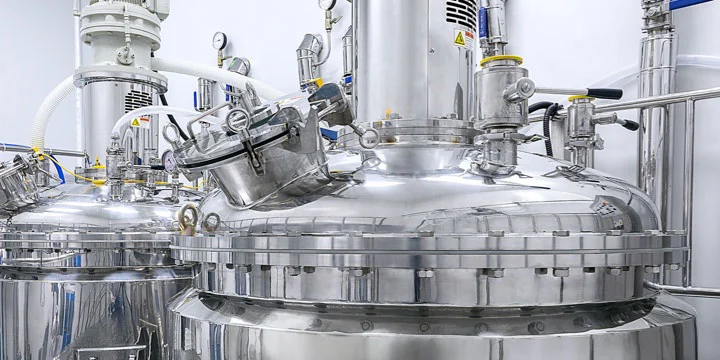
Chemical equipment operators, maintenance staff, and managers must master the foundational competencies of the "Four Understandings and Three Abilities" to eliminate equipment failures caused by knowledge gaps.
Four Understandings
Understand equipment principles, understand equipment structure, understand equipment functions, and understand equipment performance.
Three Abilities
Be able to operate, be able to maintain, and be able to troubleshoot equipment faults.
Chemical production conditions are highly variable, with complex equipment pipelines and auxiliary systems. If personnel fail to clearly identify equipment structures, flushing lines, balancing systems, or medium flow directions, misoperations and incorrect repairs are highly likely. Typical industry failure cases show that in some plants, workers confused mechanical seal auxiliary flushing lines with axial force balancing lines, selected the wrong flushing method, causing high-temperature media to directly enter the seal chamber and leading to scaling and failure of bellows. This resulted in repeated mechanical seal damage and unplanned plant shutdowns.
Therefore, personnel must accurately identify main equipment structures, auxiliary piping, cooling and flushing systems, and balancing system functions. Regular skills training should be conducted to prevent equipment hazards arising from cognitive errors.
2. Requirements for Equipment Maintenance and On-site Operations
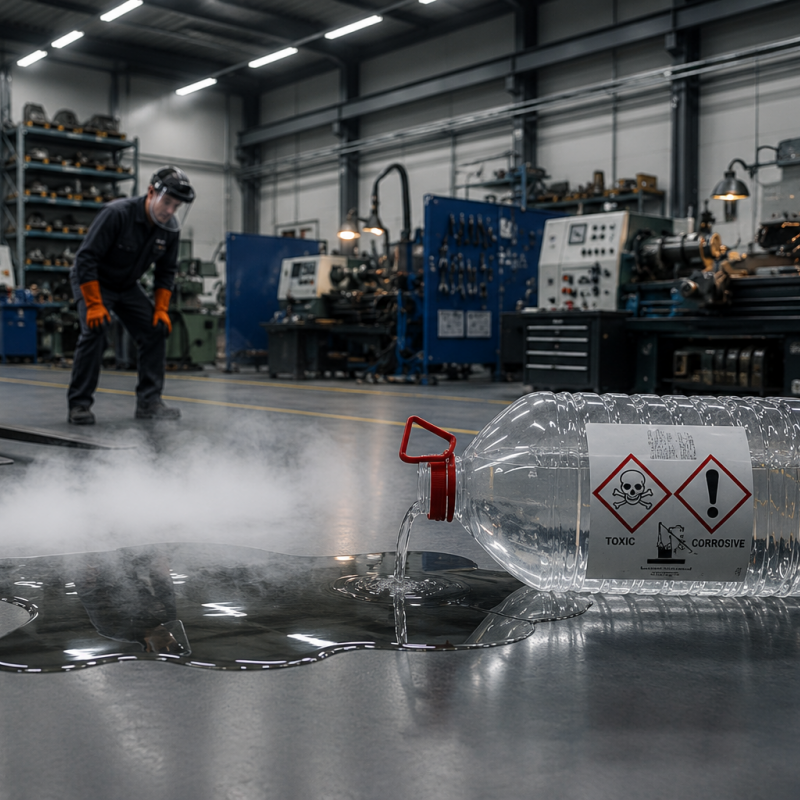
Daily equipment operation, inspection, and maintenance work must strictly adhere to civilized production standards to ensure equipment integrity, site cleanliness, and compliant operations.
After completion of maintenance work, the following must be achieved: work finished, materials cleared, and site cleaned. After job completion, tools, spare parts, and waste materials must be sorted, properly stored, and removed; components must be labeled and arranged according to standards. Blocking inspection routes, safety passages, or emergency exits is strictly prohibited.
Equipment bodies, pipelines, flanges, valves, bearing housings, and ancillary facilities must remain in good condition, with intact anti-corrosion coatings, no rust, and no leaks. Trenches must be free of water, oil, debris; shaft components must be clean and bright; and equipment identification must be clear and complete. The entire process must follow the principles of safety, cleanliness, order, and efficiency, eliminating equipment failures and safety risks caused by dirty sites, leaks, or missing labels.
3. Mandatory Standards for Civilized Management at Chemical Sites: One Level, Two Cleanlinesses, Three Visibilities, Four Absences, and Five Non-missing Items
This standard serves as the foundation for equipment management and civilized production at chemical sites and is integrated into daily inspections, special audits, and maintenance acceptance procedures.
1. One Flat
Work areas, equipment surroundings, and passageways are level, unobstructed, and neatly arranged.
2. Two Clean
Windows and glass are clean; walls, floors, and surrounding environments are tidy and free of dirt.
3. Three Visible
Ditches and trenches show their bottoms; shafts and axles reveal their original surface; equipment shows its natural color.
4. Four Absences
No garbage, no weeds, no waste materials, and no accumulation of unused items or discarded equipment.
5. Five No-Deficiencies
Anti-corrosion and insulation coatings are intact; bolts, handwheels, and other operating and connecting parts are complete; windows and glass are undamaged; lighting fixtures and protective covers are present; safety protection facilities such as trench covers and platform grates are not missing.
IV. Hidden Hazard Rectification and Accident Closed-Loop Management Mechanism
1. Hazard Identification and Rectification: "Three Inspections, Four Assignments"
Three Inspections: inspect design flaws and omissions, unfinished projects, and construction quality along with potential hazards.
Four Assignments: assign rectification tasks, designate responsible personnel, set completion deadlines, and define corrective measures.
Through the "Three Inspections, Four Assignments" approach, issues across the entire lifecycle of equipment—design, installation, maintenance, and operation—can be systematically identified, enabling precise hazard rectification and eliminating residual risks.
2. Incident Closed-Loop Management: "Four No-Compromise Principles"
Four No-Compromise Principles: do not let go until the cause of the incident is fully investigated; do not let go until responsible personnel are properly handled; do not let go until relevant staff have been adequately educated; do not let go until corrective measures are fully implemented.
Strictly enforce closed-loop incident management to prevent recurrence of similar failures or safety incidents.
V. Conclusion
The safe and stable operation of chemical equipment relies on standardized, routine, and closed-loop equipment management systems. By strengthening personnel expertise through the "Four Understandings and Three Abilities," promoting civilized production through the "One Level, Two Cleanlinesses, Three Visibilities, Four Absences, Five Completenesses," and implementing hazard control and incident rectification via the "Three Inspections, Four Assignments" and "Four No-Compromise Principles," we comprehensively enhance equipment reliability, effectively reduce unplanned downtime and safety risks, and ensure long-term safe, stable, clean, and efficient operation of chemical plants.