

How to Read Flange Markings? Master Parameters to Avoid Pipeline Installation Leakage & Rework
2026-07-16 09:14How to Read Flange Markings? Master Parameters to Avoid Pipeline Installation Leakage & Rework
Introduction
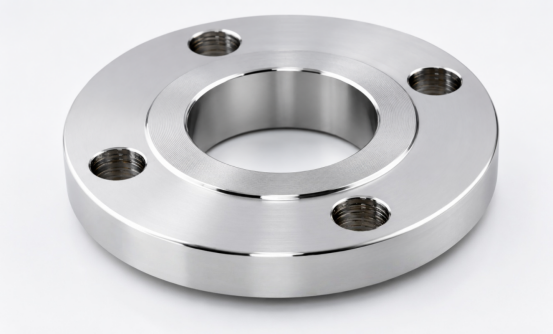
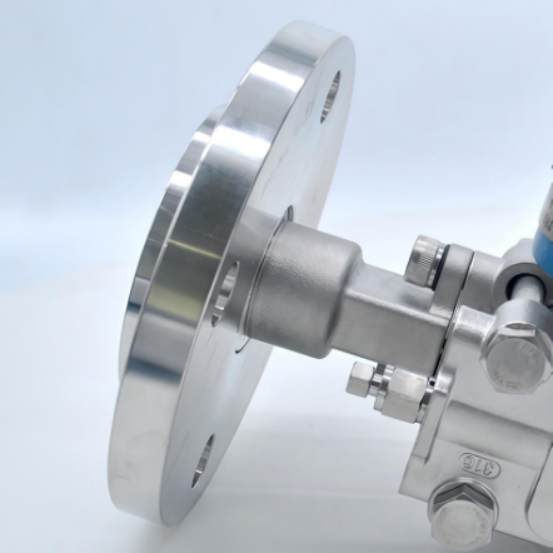
Markings are stamped on flanges matched with pressure transmitters for industrial pipelines, including key information such as nominal diameter, pressure rating, material and execution standard. Many field staff ignore these marking details, resulting in mismatched fittings, medium leakage and unqualified acceptance. This article fully explains the meaning of all flange marking information, distinguishes marking differences among GB, ASME, EN and JIS standards, and provides practical checking points for procurement, installation and maintenance personnel.
I. Six Core Information Categories Contained in Flange Markings
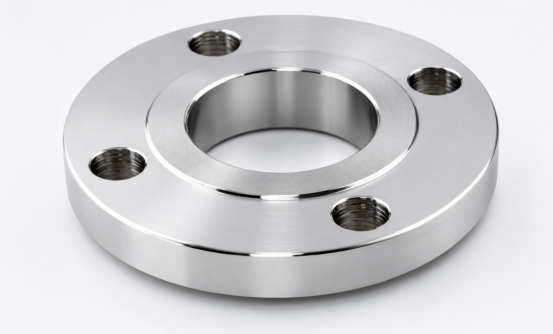
Flange markings are generally stamped on the outer ring or beside the sealing surface, serving as the exclusive "identity certificate" of flanges. The complete markings cover six key parameters:
1. Nominal Diameter (DN)
It indicates the matching pipeline nominal diameter in millimeters. DN100 means the flange fits 100mm pipelines and determines the flow size of the flange.
2. Nominal Pressure (PN) / ASME Class
GB and EN standards adopt PN to mark pressure rating in bar/MPa. For example, PN16 stands for a rated working pressure of 16 bar. ASME flanges use CLASS ratings such as CLASS150, CLASS300 and CLASS600, which cannot be simply converted to PN values.
3. Material Grade
It determines corrosion resistance and high-temperature resistance, a core basis for working condition selection:
- Forged carbon steel: A105, widely used for normal-temperature neutral media
- Stainless steel: 304, 316, dedicated for acid and alkali corrosive media
- Alloy steel: F22, suitable for high-temperature and high-pressure pipelines
4. Execution Standard Code
It standardizes flange shape and bolt hole dimensions; flanges of different standards cannot be interchanged:
GB/T 9119 (Chinese Standard), ASME B16.5 (American Standard), EN 1092-1 (European Standard), JIS (Japanese Standard)
5. Heat Treatment Mark (for partial forged flanges)
N = Normalizing, QT = Quenching & Tempering, to improve the structural strength of flanges
6. Pressure-Temperature Rating (Exclusive to ASME Standard)
The pressure bearing capacity of CLASS ratings changes with medium temperature, and the maximum allowable pressure will drop under high-temperature working conditions.
II. Three Practical Values of Understanding Flange Markings
1. Matching Verification
Quickly check whether pipelines, gaskets and bolts match by DN and pressure rating to avoid dimensional mismatching.
2. Working Condition Selection
Judge the corrosion and high-temperature resistance of flanges by material grade to match special sites with acid, alkali, high temperature and explosion-proof requirements.
3. Acceptance & Traceability
Complete stamped markings act as the basis for equipment acceptance and fault tracing; products without full markings have hidden compliance risks.
III. Core Differences of Flange Marking Systems of Four Standards (Pitfalls for Cross-border Procurement)
1. ISO/GB System (European & Chinese Standard): Pressure marked with PN, mainstream grades PN10/16/25/40
2. ASME System (American Standard): Pressure graded by CLASS, with incompatible dimensions and bolt hole spacing compared with GB flanges
3. JIS System (Japanese Standard): Pressure marked with K grade, e.g. 10K SUS304; SUS is the Japanese designation for stainless steel
Key Reminder: Japanese 10K can only be temporarily equivalent to CLASS150 for small-bore pipelines; mixing is strictly prohibited for large-bore pipelines.
IV. Three Mandatory Inspection Standards Before Flange Installation
1. Clear and Complete Markings: Flanges with worn, blurred or incomplete markings are forbidden to be put into use
2. Full Parameter Information: Qualified industrial flanges must be marked with DN, pressure rating, material and execution standard; low-cost flanges missing any item are not recommended for procurement
3. Unified Standard System: Pressure transmitters, pipelines and flanges must follow the same standard; ASME equipment cannot be matched with EN flanges.
Conclusion
Flange stamped markings are not meaningless prints, but core basis for matched installation, safe operation and maintenance, and project acceptance of pipelines and industrial pressure transmitters. Digital intelligent marking technology has not been fully popularized yet. Mastering the identification of flange stamped parameters can greatly reduce rework, leakage risks and potential safety hazards, cutting factory operation and maintenance costs.